TransformaTresses non-profit association

For better hair care for people of African descent

For the recognition and appreciation of the profession of hair braider and its specific skills

Creative Commons courtesy of Easy-Peasy.AI

In Belgium, many people of African descent with curly, coily or kinky hair still struggle to find suitable hair care.

At the same time, hair braiders have real expertise, but without a recognised and suitable training framework.

TransformaTresses works to improve access to care, promote hair braiding practices, and support the recognition of the profession.

Creative Commons courtesy of Easy-Peasy.AI

The situation: a real need, and a profession that deserves recognition

For the public: unequal access to quality hair care

More than 350,000 people of sub-Saharan African origin live in Belgium, including around 100,000 in Brussels, and have specific hair care needs. Many people of African descent and mixed-race people struggle to access quality hair care for curly, coily or kinky hair. 

This particularly affects Afro-European women and girls, who are too often expected to “manage on their own”, even though this is a concrete and everyday need.

For the profession: real skills without recognition

Most traditional hairdressing training programmes remain cosmetology-centred and focused on “European” hair, while curly, coily and kinky hair techniques and care require dedicated skills. 

Braiding practices – free-hanging braids, cornrows, weaves, locks and more – are traditional practices, sometimes thousands of years old, safe, and not necessarily requiring cutting or chemical products. 
And yet, the current framework pushes some hair braiders into informal work, without social protection and sometimes with problematic working conditions.

The result: unequal access to quality care, and the profession of hair braider too often practised without recognition and sometimes in precarious conditions..

Why are these surveys important?

We are highlighting two surveys because they help us to:
  • better understand the real needs of people with curly, coily or kinky hair: care, expectations, difficulties, access to professionals, and more
  • measure interest in specialised and recognised professional training in curly, coily and kinky hair care
  • show, through the number of responses, that these issues affect many people and justify concrete solutions: training, recognition and an adapted framework
Because recognised training, an educational pathway, or a change in the regulatory framework should not be decided on impressions: it should be based on facts, feedback and numbers.

What we want to change

To help hair braiders step out of the shadows, access entrepreneurship if they wish, and enrich the quality offer of salons and professionals able to enhance the beauty of kinky, coily and textured hair, our ambition is to:
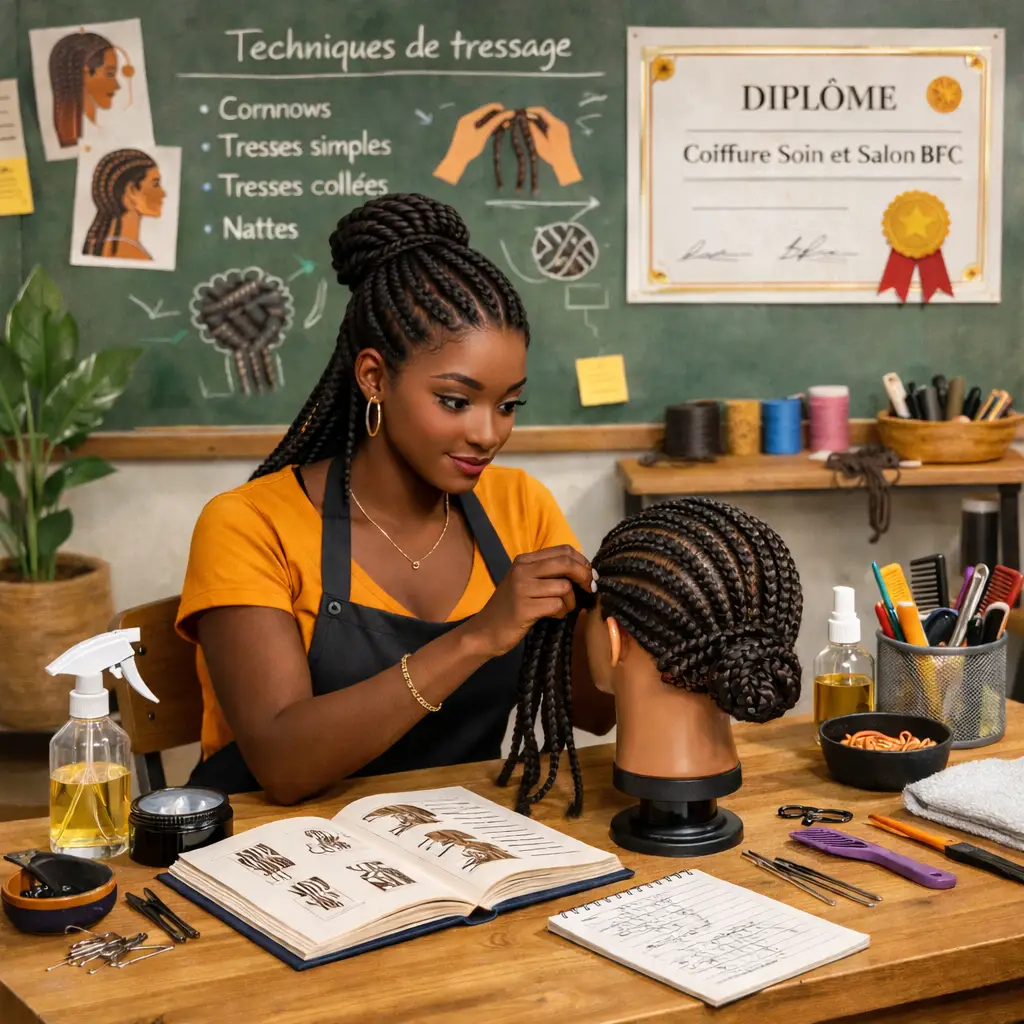
Student graduation - © TransformaTresses asbl - Tous droits réservés - All rights reserved.

Recognised training for curly, coily and kinky hair

Create recognised and certifying training that is truly adapted to curly, coily and kinky hair and to braiding practices
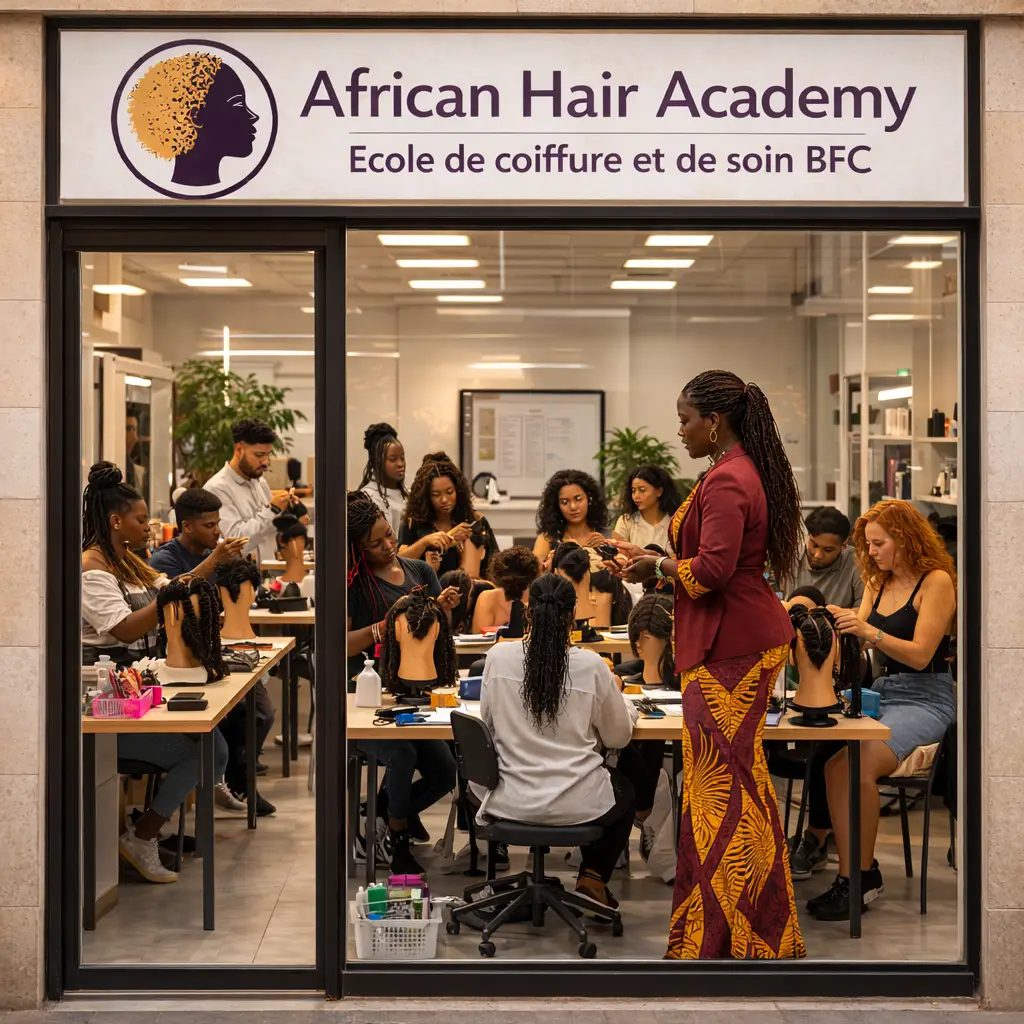
African Hair Academy - © TransformaTresses asbl - Tous droits réservés - All rights reserved.

Specialised curriculum / school

Encourage the creation of a training centre or specialised pathway, or the integration of strong curly, coily and kinky hair curricula into existing schools
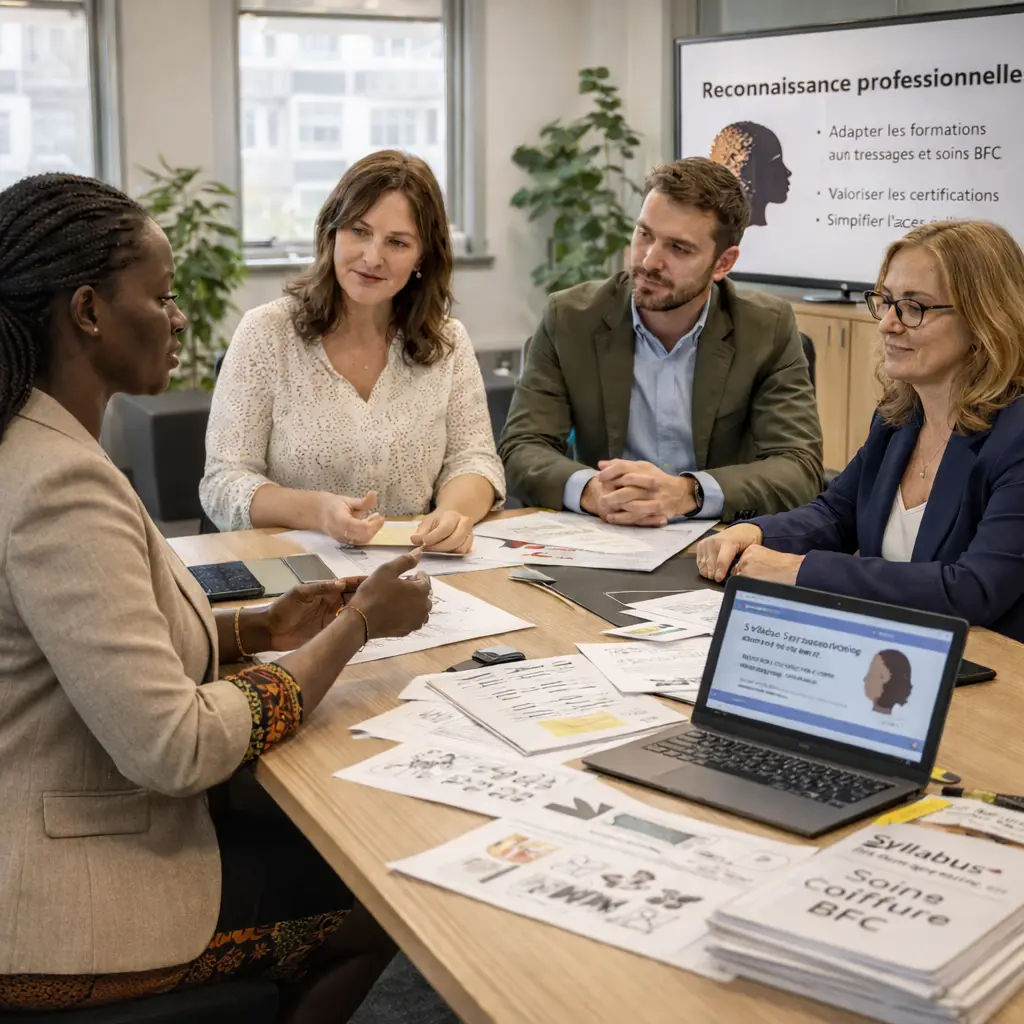
Reconnaissance de la formation - - © TransformaTresses asbl - Tous droits réservés - All rights reserved.

An adapted framework in Belgium

With the support of public authorities, professional organisations, trade unions and hairdressing schools, help regulations evolve so that training and access to the profession are more consistent with the reality of the practices: braiding, care, and techniques without cutting or chemical products.
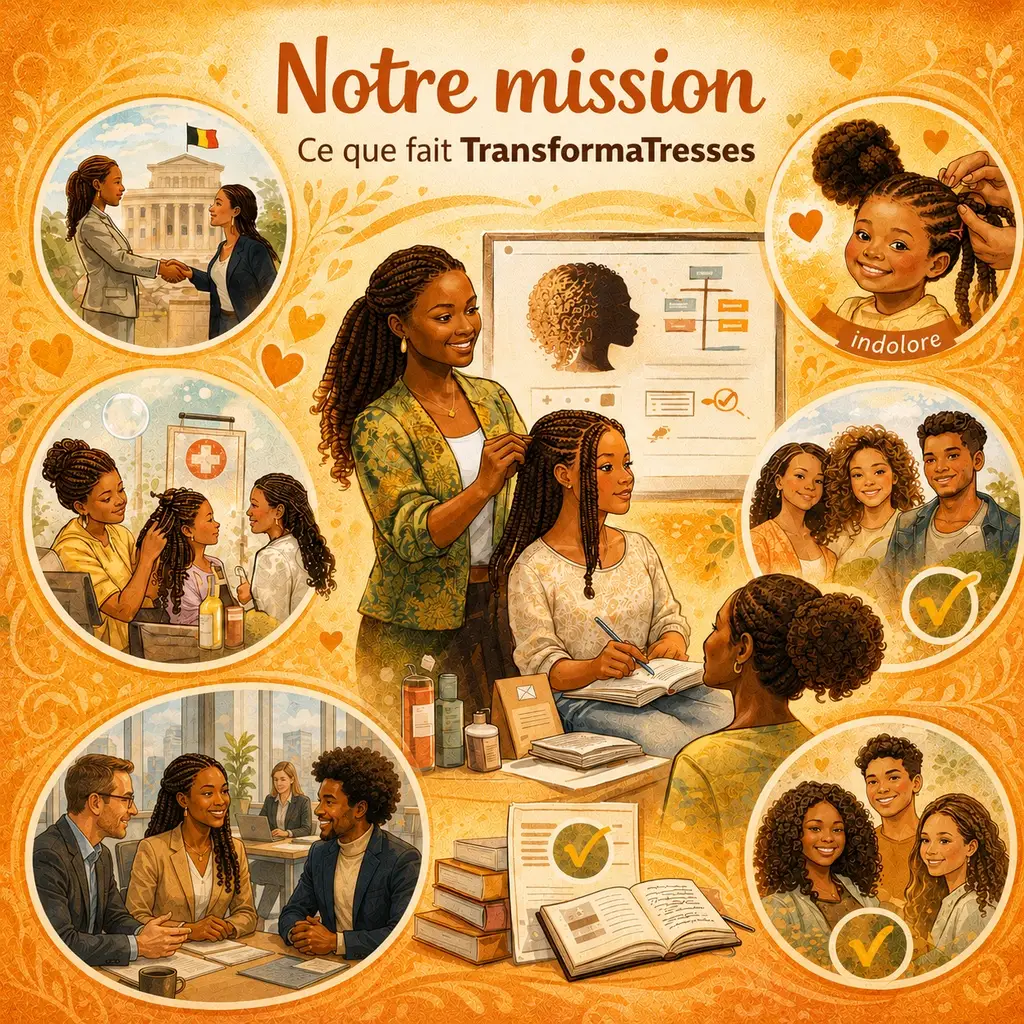
Our mission

TransformaTresses aims in particular to:
Notre mission - © TransformaTresses asbl - Tous droits réservés - All rights reserved.